Entry · Ref MRCCX9DZ
Dog-Proof Fencing: Melbourne Fence Companies and Solutions
- Posted
- 2026-10-16
- Last amended
- 2026-10-16
- Account
- @griffinfence-contractorwacj937
If you have a pet that can transform a neat backyard right into a mission, you currently know the sensation. Eventually the fence looks fine, the next day your gate is still closed yet your pet is not, and you are outdoors monitoring gaps you did not even see before. In Melbourne, where weather swings in between hefty rain and completely dry stretches, fencing troubles can creep in slowly, after that appear at one time. Wood expands, posts work out, concrete paths shift, and dogs learn brand-new escape directs the means kids discover shortcuts.
The excellent news is that dog-proofing is seldom regarding "one magic upgrade." It has to do with identifying how your dog ventures out, after that matching the fix to the details failure points: height, gaps, entrance equipment, digging, climbing, chewing, and also just how the lawn floor satisfies the fencing line. With the best strategy, you can make a lawn really feel secure without turning it right into a citadel that is difficult to maintain.
Below are the sensible realities I've seen when working with Melbourne homeowners and fencing contractors, including what goes wrong, what to ask for, and how to select amongst fence companies Melbourne.
Start with the retreat pattern, not the fencing type
A fencing that is "tall adequate" can still fail if your pet can slide via a 40 mm gap, raise a latch, or dig under a bottom rail. Prior to you upgrade anything, watch the pet's practices for a short home window. You do not require a lengthy examination, but you do require clarity.
Some dogs attempt to climb. Others concentrate on the voids at the corners, where the fencing line frequently satisfies an article that is somewhat out of alignment. A shocking number of escapes are gate-related, due to the fact that gates relocate greater than fixed panels and lock points take the load. If your dog is consistent at the very same area, start there.
A quick note regarding pet psychology, not just engineering: most run away efforts are not random. They are targeted. If your canine is going after a neighbor's feline, seeking companions, or reacting to activity on the street, they will certainly duplicate the exact same course over and over, and that repeating exposes specifically where your system is weak.
The "most usual" issue is typically the gap
When home owners consider dog-proof fencing, they frequently picture the elevation first. In technique, many runs away take place reduced down. Even fences that look straight and solid can have concealed openings near the ground, particularly where:
- a message has actually moved a little after installation
- a path or yard edge altered quality over time
- the base rail sits over the soil, leaving a tunnel-like space
- timber boards diminish in dry months and widen the seams
Dogs are exceptional problem-solvers. They will certainly sniff along the base, test a weak board, then devote to the one route that works. If you have ever before enjoyed a canine push their face right into a fencing and afterwards all of a sudden pause and work around an edge, you currently recognize they are reading your fence like a map.
A vital sensible information: when you look for spaces, utilize the exact same mindset as a contractor, not the same one as a homeowner. A ruler assists, and a basic examination assists more. If you can fit 2 fingers through a space, a small dog can likely fit its muzzle and then broaden the opening with the ideal angle and pressure. For larger canines, the concern is much less concerning squeezing and more regarding plucking sides or pawing through.
Height issues, but positioning issues more
How high is "high adequate"? The truthful solution is that it depends on your pet's physique, strength, and climbing up design. Some dogs can jump more than you anticipate, especially if there is any footing inside the yard, like a pile of wood, a planter, a wheelbarrow, or even a slight slope that raises their takeoff point.
Placement is the component individuals miss. If the fence is tall however the lawn inclines upward towards the fencing, your effective height goes down where your pet launches from. Also, if any type of part of the fence line is lower as a result of post settlement, that reduced area comes to be the retreat lane.
If you are making use of lumber or Colorbond design fence, talk about exactly how the leading side will be completed. Some layouts, like including angled outriggers, function well for climbers, yet they have to be installed appropriately and maintained tidy of plant life that can produce a new foothold. A pet dog will certainly climb up the course you didn't intend if you offer it a "ladder" made of leaves, creeping plants, or leaning branches.
Gates are the weak link, also when every little thing else looks solid
A fence without dog-proof gateways resembles a lock without a door. Gates have a tendency to sag, swing, and massage gradually. Latches can loosen up as wood or messages relocate. Even a well-built gate can create a tiny gap at the hinge side, or a latch that does not involve fully after duplicated use.
If your canine escapes through the gate, inspect the essentials before you criticize the fence panels:
- Do you listen to or feel a "soft" latch when the gate closes?
- Does the gate rest perfectly level when it's in the shut position?
- Are there unequal gaps at the hinge side or latch side?
- Does the lock sit where it requires to for your hand, however miss out on by a couple of millimeters when the gate changes under pet pressure?
In my experience, entrance repairs are commonly regarding alignment and equipment high quality as much as they are about total fencing elevation. Upgrading joints, using appropriate latch devices, and guaranteeing the gate framework is square can make a dramatic difference, and it is typically more affordable than removing an entire fencing line.
Digging under the fencing: the concern no one sees till it's too late
Digging is a different engineering trouble. You can develop a high fence, and an established digger will certainly still create a passage beneath it. Canines dig for numerous reasons, from target reactions to boredom, to seeking cooler ground in summer season. The method is consistent: they find a powerlessness at the base, after that function steadily up until the void ends up being a doorway.
If you believe digging, focus on the base and the soil contact. Common failure patterns include:
- bottom rails sitting over the soil
- small gaps where posts satisfy concrete footings
- loose dirt near fencing lines that encourages excavation
- garden beds upgraded with fresh compost or garden compost, which can feel like an invitation
Dog-proofing for excavating normally involves one or more of the following: enhancing the base clearance, utilizing an obstacle product below the fencing line, or readjusting just how the bottom rail satisfies the ground. The precise approach depends on your fence design and your yard configuration, so it deserves asking a contractor to examine your details ground conditions as opposed to replicating an arbitrary online fix.
Chewing and clawing: damage starts small
Some pet dogs do not get away by climbing or squeezing. They escape by developing a weak point. If your pet chews boards or rakes at hardwood, little damage can come to be a space, then a loose panel, then an opening big enough to obtain out.
This is specifically common in yards where pet dogs hang around near the fence, because the fence ends up being a front-row home entertainment system. Birds, passing cars, and neighbour task all funnel into that exact same strip of fencing, Click for source and the pet dog discovers that the fastest means to respond is to function their teeth and claws on the closest target.
The option is not only "stronger hardwood." It's additionally concerning inhibiting repeat gain access to. If you can raise the pet's enrichment inside the lawn, so they are not awaiting stimulations at the fence line, chewing commonly goes down. If the fence is the only thing in their globe, they will certainly transform it right into a job.
For fence materials, you can inquire about more resilient board accounts, better post supporting, and safety methods around susceptible sections. If you are utilizing hardwood, make sure the boards are properly repaired and not entrusted to easily accessible edges that welcome repeated damage.
Weather and negotiation: Melbourne's fencing reality
Melbourne can be difficult on fencing lines, not due to the fact that fences are "delicate," however because the atmosphere does a great deal of peaceful work over time. Rainfall can soften ground near messages. Dry durations can trigger lumber shrinking. Freeze-thaw is much less usual than in cooler environments, but wet-dry cycling still changes just how things sit.
Even durable fencings can call for maintenance. That could indicate tightening up screws, re-straightening a gate, replacing a few boards, or dealing with an article that has worked out. Dog-proofing is not a "collection and neglect" job. It is much more like selecting a system that remains safe and secure under movement.
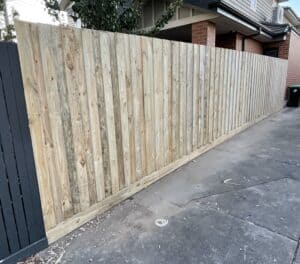
When you talk to fence companies Melbourne, ask just how they handle lasting alignment. Good installers consider post depth, concrete anchoring, supporting, and exactly how the fence will behave once the ground has actually been wet, compressed, then dried again. If you just get answers regarding style and appearance, and not concerning framework, you will likely wind up doing repair work sooner.
What to ask fence companies Melbourne prior to you sign
You are not simply working with a person to set up a fencing. You are purchasing a safe and secure border and a handiwork standard. A wise method to approach quotes is to ask the specialist to describe their technique to the precise failing points dogs exploit.
If you fulfill a secure fencing group and you do not know what to ask, here are a couple of targeted inquiries you can use. Keep it basic, and concentrate on examination and responsibility.
- Can you check and measure present spaces, specifically at the base and entrance hinge side?
- What layout do you advise for your canine's main retreat technique: climbing up, pressing, digging, or pushing at gates?
- How do you stop gateway droop and make sure lock involvement keeps reputable over time?
- What products and repairings do you make use of in the lower rail and near ground degree to lower tunnel gaps?
- Do you offer an installation and maintenance strategy, consisting of how commonly placements could require checking?
A service provider that can respond to those plainly is usually the exact same one that will take your concerns seriously, not just develop "something that looks right from the street."
Materials and layouts that actually help (and what to watch for)
Dog-proof fencing is not one classification. Your finest choice relies on your dog, your backyard layout, and what you can maintain.
Timber paling and closed panels
Timber paling can work well, especially if the spacing is limited and the lower line is correctly dealt with. The weak point is that wood can reduce and the spacing can broaden somewhat, and the base can separate from the ground in time. If you pick hardwood, insist on proper installment of rails and regular taking care of, and plan for seasonal checks.
Colorbond and steel solutions
Metal fence can supply durability and constant panel spacing. With the right gateway hardware and base details, it can be effective versus both climbing up and pressing. The main thing to inspect is the base clearance and any kind of junction factors where panels fulfill blog posts or where dirt grade may change.
Metal can additionally deal with clawing much better than soft hardwood, but it is not immune to harm if a pet dog has enough time and motivation. You may still need to address chewing and give enrichment so the fencing is not a consistent target.
Privacy screens, half-height fences, and "looks terrific but ..."
Some fencings look perfect up until a canine checks them. Half-height obstacles, ornamental panels, or displays with more comprehensive spacing can fall short promptly for squeezers and mountain climbers. If you have a pet dog that is currently showing retreat practices, do not jeopardize on the limit layout just because the fencing looks stylish in a photo.
Angled tops and anti-climb additions
Angled outriggers and anti-climb attributes can decrease climbing success. They work when installed with correct geometry and when you stop brand-new footings from showing up. If plants mature the outside of the fencing, or if lumber inside your lawn leans against the top edge, the dog will still discover a route.
A functional idea I've seen job: clear any kind of climbing aids, keep plant life cut, and make sure no neighboring items produce a "stairway step" for an identified climber.
A typical catch: repairing just what you see
It is alluring to spot one gap and patch it, after that declare the problem addressed. Sometimes that works. But with pets, the atmosphere shows them. They might examine the patched area, after that find a new vulnerable point once their initial course is blocked.
I've viewed this play out in actual lawns. A home owner adds an extra board at the corner. The dog stops leaving with that edge for a week, after that starts working a fence segment closer to the gate due to the fact that the pet's pattern continues to be the same: discover the fastest retreat path.
That is why the best dog-proofing is typically a "view and line of assault" strategy. You examine the whole limit system, consisting of entrances, corners, base clearance, and any junction where materials meet.
Budgeting: what drives expenses up
Dog-proof fencing costs vary extensively depending on fencing size, product selection, site access, and just how much restore job is required. The variables that most often press quotes upward consist of:
- extensive fence removal and replacement as opposed to targeted fixes
- gate upgrades, specifically if existing structures run out square
- post replacement where settlement has actually compromised alignment
- base remediation, like adjusting soil grade or structure along existing paths
- adding attributes developed especially for climbing up or digging
If you intend to keep prices practical, it helps to be truthful regarding your canine's getaway behavior. If the problem is primarily entrance placement and latch reliability, you may not need to change every panel. If the concern is excavating under the fence line, you may require to focus bucks on base obstacles and lower rail information as opposed to height alone.
Maintenance that maintains your fencing secure (without transforming your weekend breaks right into repairs)
A "dog-proof" fence still needs regular checks, since dogs are relentless and products reply to weather. The goal is not consistent tinkering, it's clever monitoring.
One easy practice is to do a quick fencing stroll every couple of weeks when you are actively training or after any type of hefty rainfall. Check the base for new gaps, check gates for lock engagement, and look for indicators of chewing or clawing. If you capture a loosened solution early, the repair service is quick. If you ignore it for a couple of months, the damages can turn into a full panel replacement.
If you make use of wood, try to find screws backing out, boards that retreat, and any type of soft places near post bases. If you use steel, look for imbalance at hinges and locks, and maintain vegetation from pushing versus panels.
Training still matters, despite having more powerful fencing
Fence upgrades develop a border that prevents very easy escape, however they do not change training and enrichment. If your dog can still examine the fence without being able to run away, they may start to bark, scratch, or eat out of stress unless you direct their behaviour.
A helpful training approach is to make the lawn more interesting away from the fencing line. Even more time with enrichment inside the lawn, regular exercise, and structured regimens usually decrease repeated fence-focused behaviour. If you have the best arrangement, your pet dog stops "functioning" the fencing since there is no more a reason to.
I have actually likewise seen the opposite: property owners set up a more powerful fence, however the canine is still entrusted absolutely nothing to do. Within days, the dog discovers a brand-new weak point or increases down on the same one. A fence develops safety, training creates stability.
Two sensible scenarios from Melbourne yards
To make this concrete, below are 2 realistic scenarios that match what you often listen to when speaking with home owners, including individuals who already have fencing installations in place.
Scenario 1: The high fencing that still fails at the gate
One Melbourne owner had a high wood fence and assumed they were done after mounting it. Their canine can not climb up the panels, however they kept leaving through eviction. Eviction lock looked fine when nearby hand. The problem appeared when the gate was pressed from the within. After a little rainfall and settling, the latch engagement lowered a little, and the pet took care of to produce a gap by duplicating short ruptureds of pressure.
The solution was not "make eviction taller." It was straightening the gate framework, updating hinges and lock equipment, and making certain the latch rested reliably under pressure. After that, the dog can no longer compel an opening, and the escape tries dropped fast.
Scenario 2: The "safe" base with a covert tunnel
Another backyard had an intact fencing line, and visually the base looked tight. Yet after hefty rain, the soil softened, and the canine started leaving from the exact same strip near a corner. When the house owner raised a board near the lower rail, there was room that had actually opened a little from dirt activity and rail placement. Over time, the canine widened the gap through pawing and digging.
The effective option focused on the base. A specialist set up a correct obstacle approach along the ground line and adjusted the bottom connection so there was less space for tunnel formation. Once the path was blocked at the ground level, the canine stopped hanging out functioning that spot.
In both instances, the fencing elevation was not the determining element. The border information at gateways and base areas were.
Choosing the ideal method for your dog
Different canines need different top priorities. A little, creative pet that slides through gaps needs tight spacing and base sealing. A larger digger requires ground line defense and consistent lower rail contact. A climber requires anti-climb completing and removal of exterior grips. A gateway tester needs reliable placement and equipment made for repeated force.
If you are unsure which classification your canine comes under, a straightforward method to think of it is to identify where the dog spends a lot of its time. That's normally where the repair needs to go first.
A fast "previously and after" plan
If you desire a structured way to manage the project, utilize this series:
- Observe the pet dog's getaway behavior for a couple of days, note the exact spots.
- Inspect gaps at the base, edges, and gate hinge side with a mindful eye.
- Get guidance from fence companies Melbourne who can chat with likely failing points.
- Choose repairs that match the behaviour, not just the appearance of the fence.
- Plan a light upkeep rhythm so tiny issues obtain fixed early.
When to think about a much more engaged rebuild
Sometimes the most effective option is a targeted repair. Other times, the entire border system requires focus. A reconstruct becomes extra sensible if the fence line has extensive settlement, several panels are retreating from messages, gates are continually out of square, or the base clearance has transformed across long sections due to yard grading or paths.
A great professional will certainly inform you when a "patch" is likely to dissatisfy. The trade-off is in advance price versus future disappointment. If your dog keeps locating failure points, repeated small fixes can end up much more pricey than doing the structural modifications effectively once.
Final thoughts on dog-proof fencing in Melbourne
Dog-proof fencing is just one of those home tasks where the details matter more than the headline. Elevation aids, yet base gaps, gateway positioning, and excavating factors are often the genuine reasons dogs escape. Climate and settlement add an additional layer, which is why installation quality and continuous checks matter equally as high as the fencing style.
When you talk with fence companies Melbourne, look for someone that understands the reasoning behind the design, not simply the look. The most effective outcome is a fence system constructed around your dog's behaviour, after that preserved so it stays secure via Melbourne seasons.
If you would certainly like, tell me your pet dog's size and type (or just weight array), whether they climb up, dig, or squeeze, and whether the retreat occurs near the gate or along a certain fencing section. I can recommend one of the most likely failing indicate inspect first and what sort of fixes usually provide the biggest renovation for that pattern.